September 9, 2026
Guide to Crafting the Perfect Italian Cheese Board
Learn how to craft an authentic Italian cheese board with our expert tips on selecting cheeses, accompaniments, and presentation.
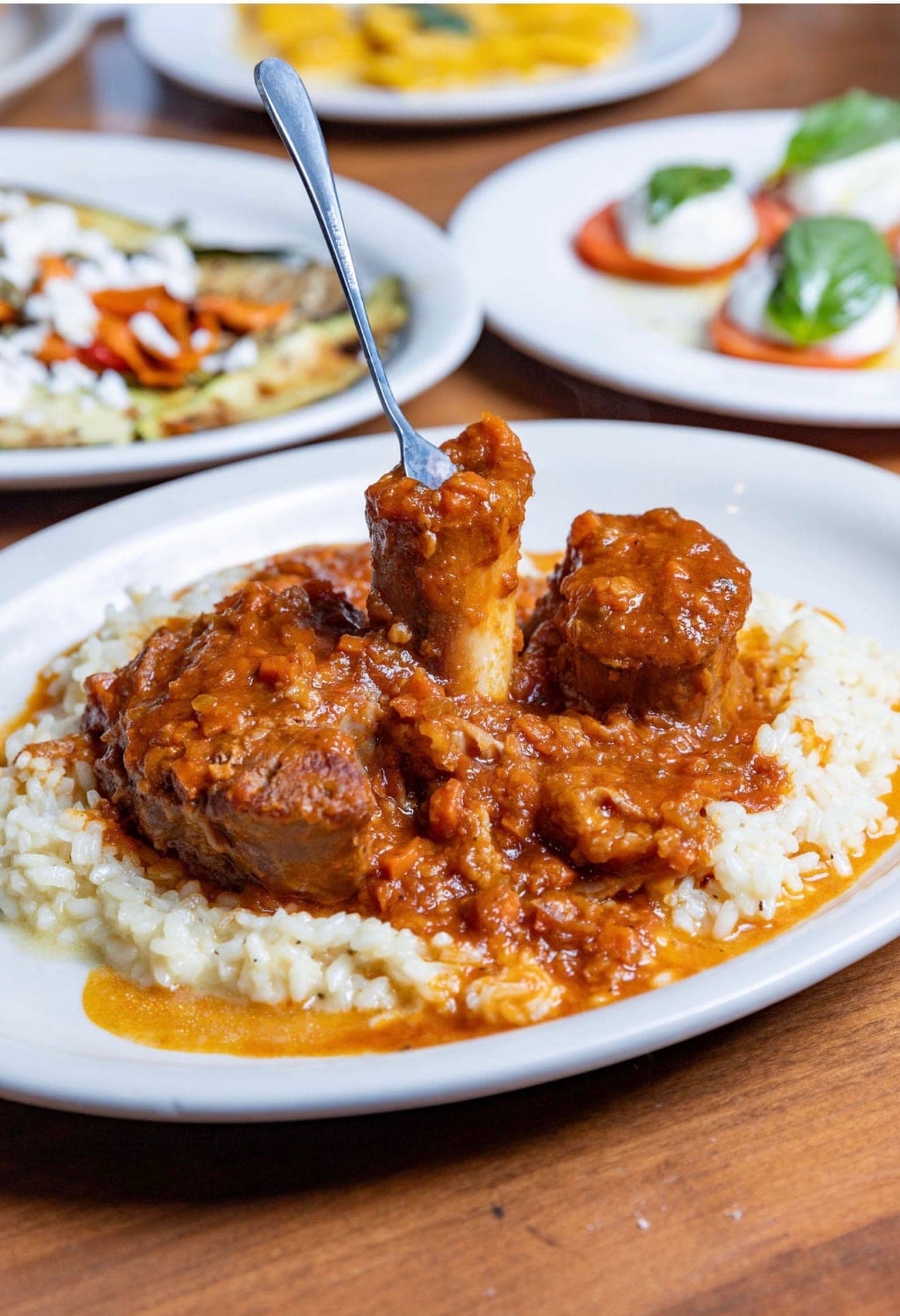
If you're looking to impress guests or simply indulge in a taste of Italy, crafting a perfect Italian cheese board is a wonderful place to start. With a delightful variety of textures and flavors, a well-curated board can serve as an unforgettable appetizer or a sophisticated addition to any gathering.
Selecting the Best Italian Cheeses
The foundation of a great cheese board is, naturally, the cheese itself. Classic Italian cheeses each offer something unique: - Parmigiano Reggiano: Known as the "King of Cheeses," this hard cheese offers a nutty flavor and granular texture. It's a must-have for any Italian cheese board. - Gorgonzola: With its bold and tangy profile, Gorgonzola is an iconic blue cheese that adds a punch of flavor. - Pecorino Romano: Made from sheep's milk, Pecorino is salty and sharp, contrasting well with softer cheeses. - Mozzarella di Bufala: Fresh and creamy, it brings balance and a touch of sophistication. - Taleggio: For something more aromatic and soft, Taleggio offers a robust flavor with a creamy bite.
Ideal Accompaniments for Your Cheese Board
A cheese board isn't complete without the perfect accompaniments: - Cured Meats: Include varieties like prosciutto and salami to complement the rich flavors of Italian cheeses. - Fruits and Nuts: Fresh grapes, figs, and almonds add sweetness and crunch. - Olives and Marinated Vegetables: Add a savory dimension with Italian olives and marinated artichokes. - Bread and Crackers: Offer a selection of freshly baked bread like ciabatta and crunchy crackers to provide texture contrast. - Honey and Jams: Drizzling a bit of honey over cheeses like Gorgonzola can enhance their flavors beautifully.
Presentation Tips for an Impressive Display
When it comes to presentation, the key is to create a visually appealing and inviting spread: - Use a large wooden board or a marble slab to arrange your cheeses and accompaniments. - Separate cheeses by type and origin to allow guests to try different combinations. - Use small bowls for jams, olives, and nuts to keep things organized. - Incorporate fresh herbs like rosemary or basil for a pop of color and fragrance.
Creating an Italian cheese board is as much about art as it is about tradition. By carefully choosing your cheeses and pairing them with the right accompaniments, you'll offer a true taste of Italy that everyone will savor. Whether for a cozy family gathering or a sophisticated dinner party, this guide will ensure your cheese board is a hit.
Frequently asked questions
- What cheeses should I use for an Italian cheese board?
- Classic options include Parmigiano Reggiano, Gorgonzola, Pecorino Romano, Mozzarella di Bufala, and Taleggio.
- What should I serve with Italian cheeses?
- Pair cheeses with cured meats, fresh fruits, nuts, olives, marinated vegetables, bread, crackers, honey, and jams.
- How do I present an Italian cheese board?
- Arrange cheeses on a large board, separate by type, use small bowls for sides, and add fresh herbs for decoration.